New Grant: Cancer Evolution Research

🏆

We’ve just secured funding from the Spanish Ministry of Science for our project: “Genomic and Transcriptomic Drivers of Adaptation in Cancer Evolution.” Cancer cells can develop traits such as rapid growth, immune evasion, and drug resistance—not only through DNA mutations but also by altering gene expression. Using single‑cell DNA and RNA sequencing, we’re exploring how tumor cell lineages adapt to new environments, focusing on papillary thyroid and colorectal cancers. Our goal: uncover how phenotypic plasticity and heritable changes fuel cancer progression, paving the way for better diagnosis and therapy
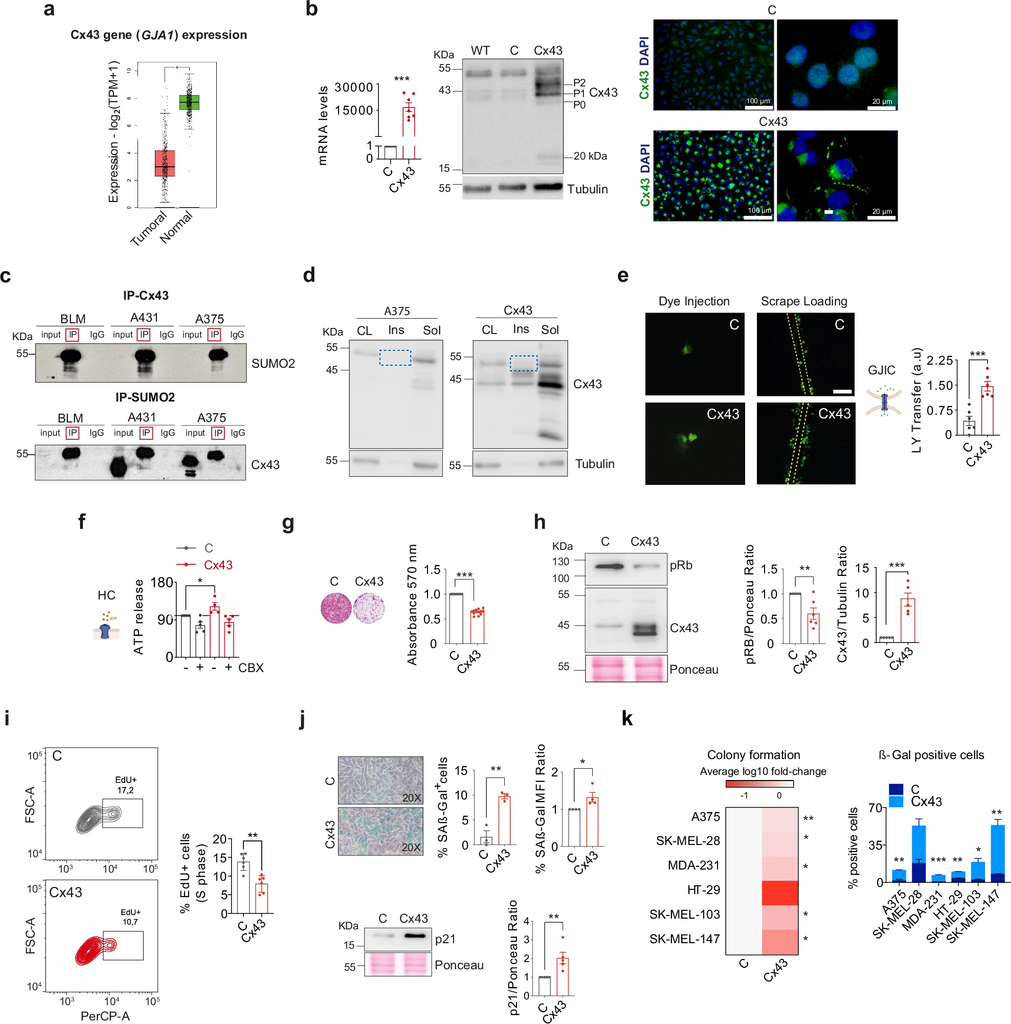
New paper in Nature Communications: Connexin43 as a new target to overcome drug resistance in cancer

We published a study in Nature Communications identifying connexin43 (Cx43) as a new therapeutic target in BRAF-mutant tumors such as melanoma, colorectal cancer, and breast cancer. Restoring Cx43 enhances the efficacy of BRAF/MEK inhibitors and can reverse drug resistance. The team also developed a patented mRNA-based therapy delivered through nanovesicles.


https://www.nature.com/articles/s41467-025-60971-3

New PhD thesis!

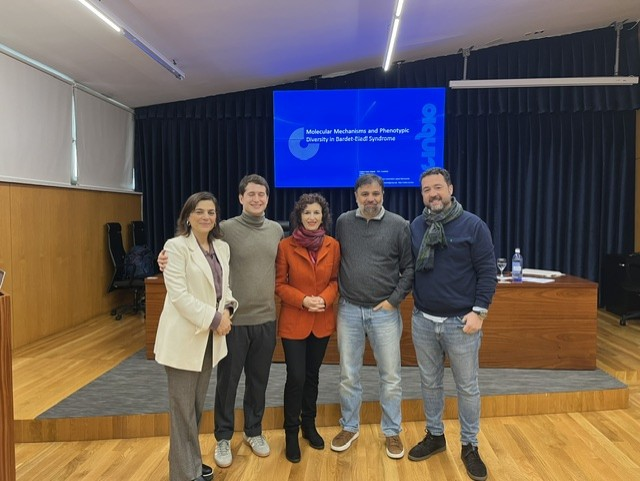
On January 10, Carlos López Solarat successfully defended his doctoral thesis, entitled “Molecular Mechanisms and Phenotypic Diversity in Bardet–Biedl Syndrome”, earning the highest distinction, cum laude, with international recognition.

He will shortly join the laboratories of Drs. Semple and Mill at the University of Edinburgh, UK, where he will continue his research career thanks to a postdoctoral fellowship awarded by the Xunta de Galicia.

Congratulations to Carlos on this outstanding achievement, and best wishes for this exciting new chapter in his scientific career!

New paper on Nano Materials Science

New study, published in Nano Materials Science as part of the European PERSEUS project, presents a green, one-step method to synthesize mesoporous platinum nanoparticles using riboflavin, a natural photosensitizer, for light-activated cancer therapy.

The nanoparticles showed strong antitumoral effects against lung cancer cells, with UV-A irradiation enhancing the activity of riboflavin- and lumichrome-based nanoparticles through oxidative stress.

Learn more here:

https://www.investigo.biblioteca.uvigo.es/xmlui/handle/11093/8481

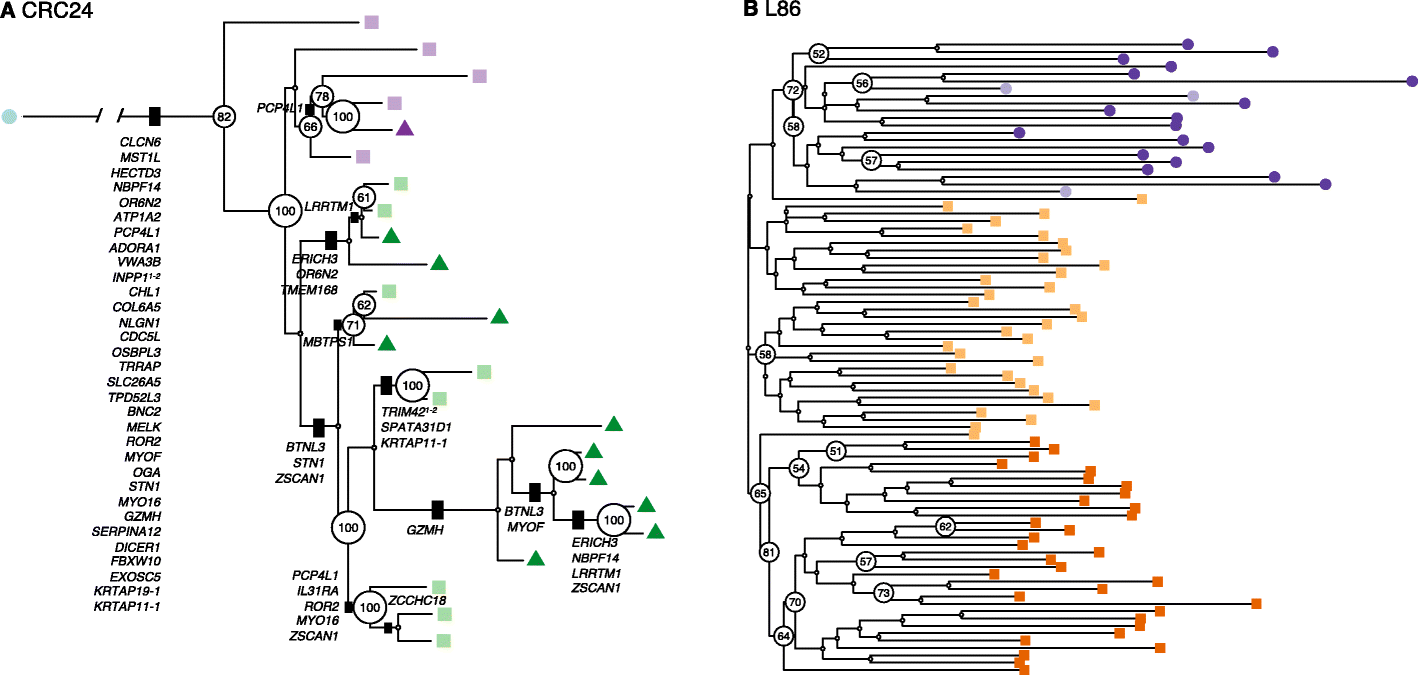
phylogenetic origins of relapse using single-cell data

Our phylogenetic analysis of single cells exposes how, where and when malignant cells survive treatment in a personalized manner in a liver relapse of a CRC metastasis. We show that the relapse originated from the expansion of a single metastatic lineage that slowly evolved in the liver. Interestingly, there is a clear contribution of chemotherapy exposure to the overall mutational burden of the relapse

https://www.sciencedirect.com/science/article/pii/S0304383522002518

AECC grant: Microbiome as biomarker for CRC

We want to thank the Spanish Cancer Association (AECC) for awarding us a research grant to study the role of the microbiome (virus and bacteria) as non-invasive biomarkers for the detection of premalignant lesions and colorectal cancer. Anonymous people have donated this money; much gratitude and tons of responsibility.